What Is AI for Small Business?
At CodeRift, we've audited 100+ small business websites and workflows over the last few years. We consistently see brilliant entrepreneurs drowning in repetitive administrative work that modern software can handle in seconds.
By 2026, artificial intelligence has officially shifted from a complex tech experiment to a simple, plug-and-play standard. You no longer need a dedicated IT department to figure out how to save time with AI.
The main goal of implementing a small business AI strategy is not to replace your human team. Instead, it is about eliminating the robotic tasks from your day so you can focus on building relationships and growing your revenue.
Note: A recent 2026 industry survey showed that business owners who implement basic AI automation save an average of 10 to 15 hours per week.
How Can I Automate Customer Service With AI?
Think about how much time you spend answering the exact same questions every single day. Customers constantly ask about your hours, your location, and your return policy.
The old way of handling this was manually answering every email, text, or social media direct message. This reactive approach interrupts your deep work and forces you to be glued to your phone 24/7.
The new way is using AI auto-responders and smart chatbots to handle common inquiries instantly. Routing your frequently asked questions through a simple AI tool can immediately save you 3 to 4 hours a week.
Here is a quick look at how the old manual method compares to a modern AI automation for small business:
| Task |
Manual Process |
AI Automation |
| Answering FAQs |
Typing out responses to every email manually. |
Instant, accurate replies based on your knowledge base. |
| Booking Appointments |
Going back and forth over email to find a time. |
AI assistant shares a calendar link and books the slot. |
| After-Hours Support |
Customers wait until the next morning for a reply. |
24/7 instant responses to keep leads warm. |
Modern AI tools can handle a surprising amount of heavy lifting for your customer experience. They act as a digital receptionist that never sleeps, never takes a break, and never gives the wrong information.
Here are the top questions an AI assistant can answer for you instantly:
- Hours of operation: Holiday hours, special closures, and standard business times.
- Return policies: Step-by-step instructions on how to process a return or exchange.
- Booking links: Directing clients to your scheduling page to book a consultation.
- Service areas: Confirming whether or not you operate in a specific zip code or city.
- Pricing tiers: Sending a standardized PDF or link to your pricing page.

Can AI Write My Marketing Emails?
Marketing is often the first thing to drop off a small business owner's plate when things get busy. Staring at a blank screen trying to write a newsletter is a massive drain on your energy.
Yes, AI can absolutely write your marketing emails, but you should treat it as a brainstorming partner rather than a complete replacement for your voice. The secret is in the workflow.
You can use AI to speed up your marketing and content creation across the board. It can generate social media posts, blog outlines, and email newsletters in a matter of minutes.
Quick Tip: Never copy and paste AI content directly. Let the AI write the first draft, then spend 10 minutes injecting your personal brand voice and local flavor.
Here is a practical workflow to get your marketing done in record time. First, give your AI tool a simple prompt explaining your current promotion or weekly update.
Second, ask the AI to generate three different subject line options and a short, punchy email body. Review the output and select the version that sounds the most natural.
Finally, edit the text. Add a personal anecdote, adjust the formatting, and ensure the call-to-action points to your services page. You just turned a two-hour writing task into a 15-minute editing session.
How to Reduce Admin Work With AI?
Admin work is the silent killer of small business growth. Managing receipts, categorizing expenses, and doing manual data entry takes you away from the work that actually makes you money.
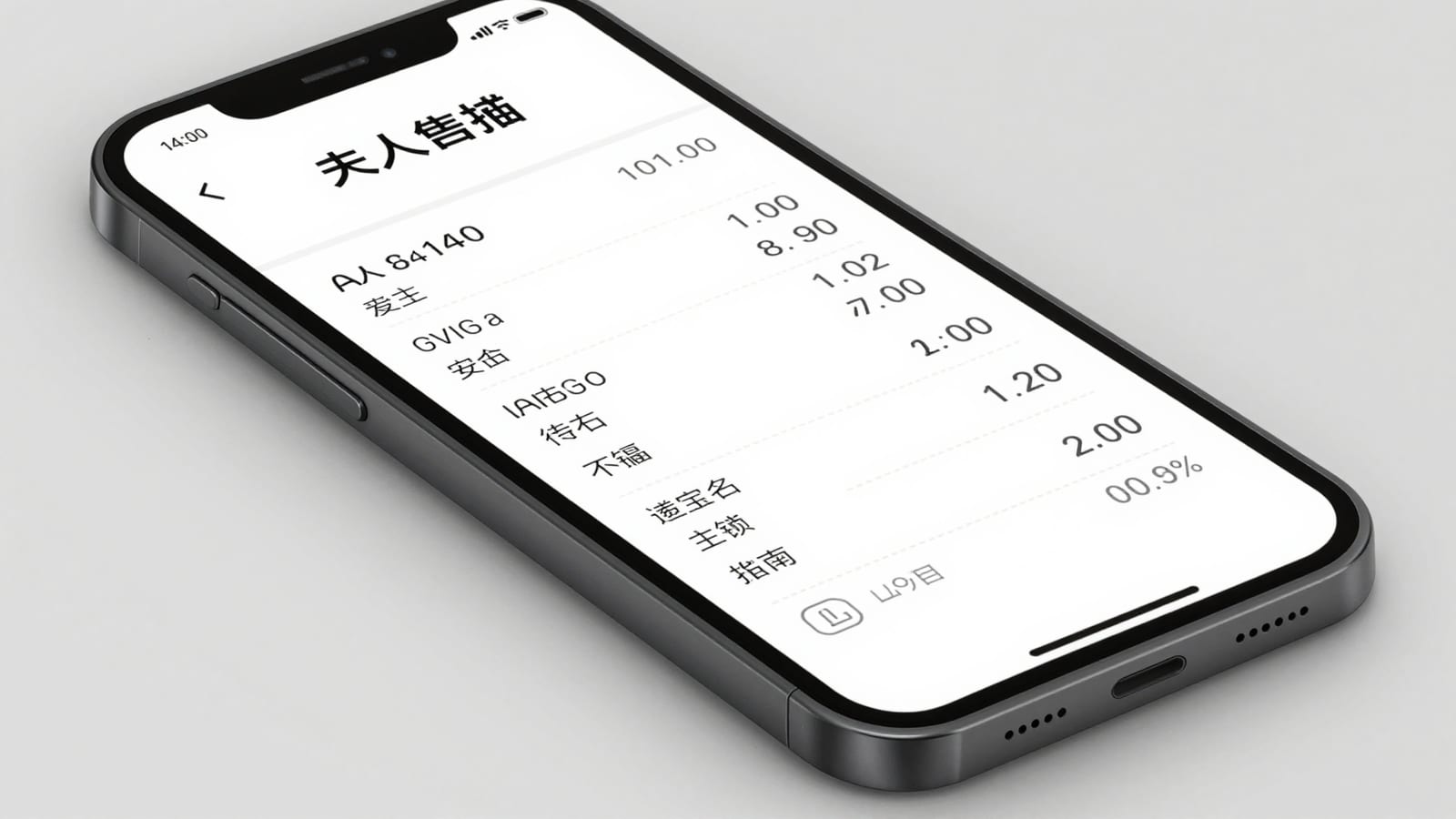
You can significantly reduce admin work with AI by automating your bookkeeping. AI-powered receipt scanning tools can instantly read a crumpled receipt, extract the vendor, date, and total, and log it into your system.
This completely eliminates manual data entry. When you integrate these AI tools directly with your existing accounting software, you can easily save another 3 hours a week.
The AI learns your habits over time. If you always buy supplies from the same local hardware store, the system will automatically categorize that expense as "Materials" without you having to lift a finger.
We highly encourage readers to audit their weekly admin tasks this week. Keep a notepad on your desk and write down every repetitive chore you do for three days straight.
Once you identify the tasks that drain the most energy, you can start looking for the best AI tools for small business owners to hand those specific chores off to.
Common Pitfall: Don't try to automate everything at once. Small business owners who try to implement five new tools in one week usually abandon all of them out of frustration.
Key Takeaways: Your AI Action Plan
Reading about artificial intelligence is one thing, but actually implementing it requires a focused approach. If you want to get 10 hours back this week, you need a realistic game plan.
Here is your step-by-step action plan to successfully integrate AI for small business growth in 2026:
- Start small: Pick just one AI tool to implement this month. Whether it is an email drafter or a receipt scanner, focus on mastering one platform to avoid feeling overwhelmed.
- Focus on the bottleneck: Apply AI to the specific task that drains the most energy from your week. If answering customer questions makes you dread opening your laptop, start with an AI auto-responder.
- Train your tools: AI requires a little bit of upfront context to work well. Feed it your brand guidelines, your past successful emails, and your business FAQs so it learns how to sound like you.
- Remember the golden rule: AI is your highly capable assistant, but you are still the boss. Always review the final output and make the ultimate decisions for your company.
FAQ: AI Automation for Small Business
The best AI tools depend entirely on your specific bottlenecks. For content creation, tools like ChatGPT or Claude are industry standards in 2026. For bookkeeping, AI features built directly into QuickBooks or Xero are incredibly reliable. For customer service, platforms like Intercom or specialized AI chatbots offer seamless website integration.
Do I need coding skills to use AI?
No, you do not need any coding skills. The AI tools available in 2026 are designed with user-friendly, drag-and-drop interfaces. If you can use a smartphone app or send an email, you have the technical skills required to use modern AI software.
How much does a small business AI strategy cost?
You can start using basic AI tools for $20 to $50 a month. However, the real cost to consider is the time it takes to set up and optimize these systems. Investing in an agency to build a custom strategy can cost a few thousand dollars upfront, but it pays for itself by saving you hundreds of hours in administrative labor over the year.
Ready to Implement AI in Your Business?
Understanding how AI can save you time is only half the battle. The real challenge is finding the time to actually set up these systems when you are already working 60-hour weeks.
That is where CodeRift Agency comes in. We act as the bridge between busy small business owners and complex AI technology, ensuring you get the benefits without the steep learning curve.
We handle the software setup, the system integrations, and the staff training. You get to skip the frustrating trial-and-error phase and focus purely on running your business.
If you want to see exactly how these tools can work for your specific industry, check out our blog for more case studies. Stop letting robotic admin tasks steal your valuable time.
Take the first step toward a more efficient week. Book a free, no-jargon consultation with our team today, or visit our contact page to map out your custom 10-hour time savings plan.