What Is a Small Business Audit?
If you are running a company in 2026, you need to perform this check regularly. Doing so helps you catch small issues before they escalate into expensive, business-threatening problems.
At CodeRift, we've audited 100+ small business websites and backend operations, and we see the exact same pattern every time. Busy owners ignore routine health checks until something completely breaks.
You do not need accounting jargon or advanced technical skills to audit your business. You just need a clear, honest view of your daily operations.
Why Do Businesses Fail Without Regular Audits?
You are busy putting out fires, managing staff, and serving customers. Taking a step back to review your systems often feels like a luxury you cannot afford.
But ignoring your operations is exactly how profit leaks happen. A forgotten $99 software subscription here, a bottlenecked employee wasting two hours a day there—it all adds up rapidly.
Waiting until tax season to look at your numbers is a dangerous game. Monthly checks prevent year-end panic and keep your cash flow healthy.
A DIY business audit forces you to pause and look at the big picture. It moves you out of the daily grind and into the CEO mindset.
When you know exactly where your money is going and where your leads are coming from, you make better decisions. You stop guessing and start scaling.
How Do I Prepare for a 30-Minute Business Audit?
Preparation is everything. If you spend 20 minutes looking for lost passwords or digging up old receipts, you will abandon the process entirely.
Gather your basic materials before the clock starts. Pull your most recent bank statements, a list of your fixed monthly expenses, and your customer feedback folder.
Keep a dedicated digital folder labeled "Monthly Audit." Drop your reports, complaints, and win-metrics in there throughout the month so you are ready to go on audit day.
Block out exactly 30 minutes of uninterrupted time on your calendar. Close your email tabs, silence your phone, and lock your office door.
Have a blank notepad or a simple digital document open and ready. You need a centralized place to jot down immediate action items as you discover them.

What Is the Ultimate Small Business Audit Checklist?
To keep this process under 30 minutes, you must be disciplined. Break your time into four distinct sprints and set a timer for each step.
Do not try to fix the problems as you find them. Your only goal right now is to identify the issues and write them down.
Step 1: Financial Health (10 Minutes)
Money is the oxygen of your business. Spend your first 10 minutes reviewing your cash flow to ensure you are actually making a profit.
- Identify top expenses: Look at your bank statement and circle your top three expenses. Are they necessary?
- Check for late payers: Who owes you money right now? Make a list of clients who need follow-up invoices.
- Review subscriptions: Spot any recurring software charges for tools you no longer use. Cancel them immediately after the audit.
Step 2: Operations and Bottlenecks (10 Minutes)
Next, look at how work actually gets done. Operations are where time is either maximized or completely wasted.
- List repetitive tasks: What manual tasks are draining your team's time? Copying data between spreadsheets is a major red flag.
- Identify roadblocks: Where do projects consistently get stuck? Find the step that causes the most delays.
- Check inventory or capacity: Are you running low on crucial supplies, or is your team overbooked for the upcoming weeks?
Step 3: Customer Satisfaction (5 Minutes)
Your customers will tell you exactly what is wrong with your business if you bother to listen. Spend 5 minutes reviewing their recent feedback.
- Read recent reviews: Check Google, Yelp, or your internal feedback surveys for the past 30 days.
- Spot recurring themes: If three different people complained about slow shipping this month, you have a systemic issue.
- Note the wins: What did people love? Figure out how to highlight that specific feature in your marketing.
Step 4: Marketing ROI (5 Minutes)
Finally, look at how new business is finding you. Stop guessing what works and look at the actual numbers.
In 2026, organic traffic and local SEO remain the highest-converting lead sources for service-based businesses.
- Track lead sources: Which platform brought in the most qualified leads this month?
- Evaluate ad spend: If you spent $500 on social media ads but got zero sales, it is time to pause that campaign.
- Check website health: Do a quick test of your contact form to ensure it is actually sending messages to your inbox.
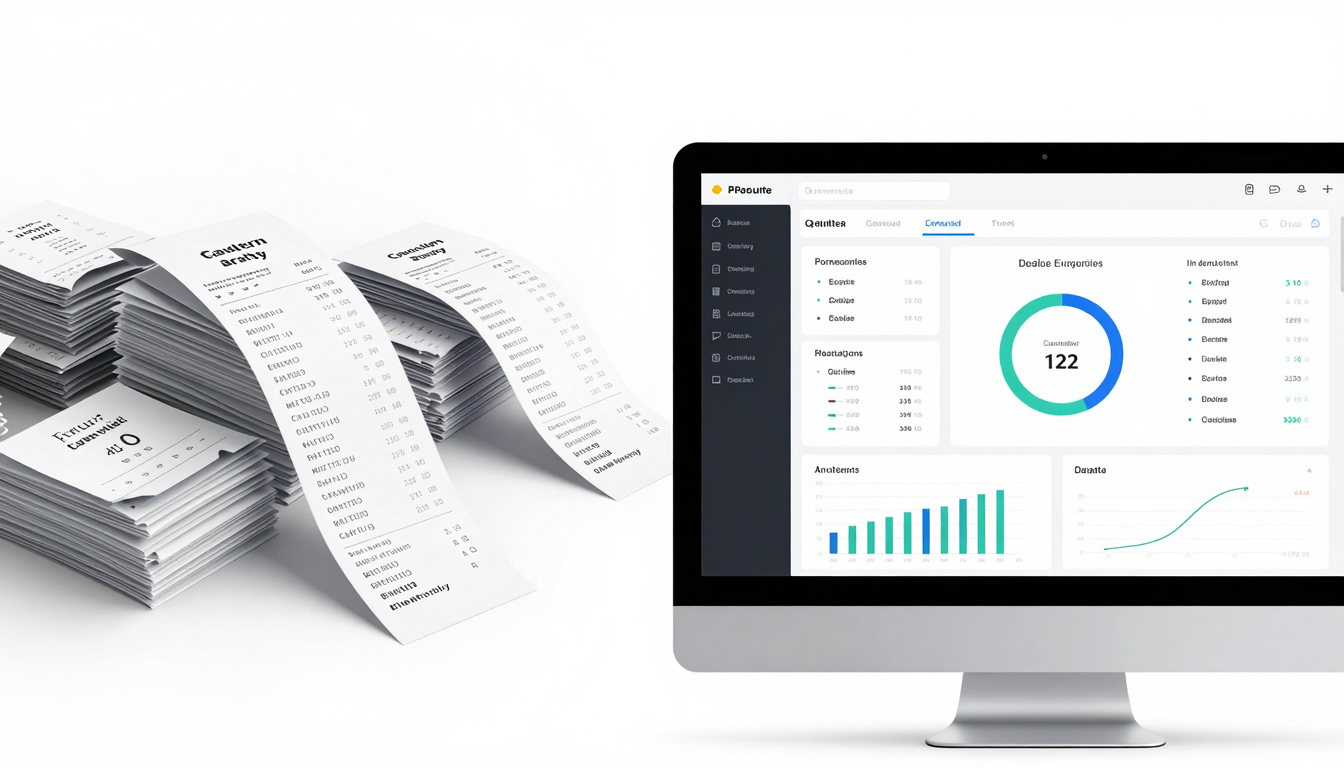
How Do Manual Audits Compare to AI-Assisted Audits?
The traditional method of digging through paper receipts and cross-referencing spreadsheets is tedious. It is also highly prone to human error.
Today, basic AI tools can summarize data instantly. They automatically categorize expenses, flag negative customer sentiment, and generate traffic reports.
| Feature |
Traditional Manual Audit |
AI for Small Business Audit |
| Data Collection |
Requires pulling reports from 5 different platforms. |
Centralized dashboard pulls all data automatically. |
| Expense Tracking |
Line-by-line review of bank statements. |
Auto-categorizes spending and flags unusual spikes. |
| Customer Feedback |
Reading every single review and email manually. |
Summarizes overall sentiment and highlights recurring keywords. |
| Time Required |
30 to 60 minutes of focused effort. |
5 to 10 minutes to review the AI-generated summary. |
You do not have to be a tech genius to leverage these tools. At CodeRift Agency, we help owners set up these automated systems. Check out our services to see how we streamline operations.
Key Takeaways
Performing a business health check does not have to be a miserable, day-long event. Keep these core principles in mind:
- Speed is key: You do not need days to review your business. A focused 30-minute audit reveals the most critical red flags and opportunities.
- Stick to the pillars: Always divide your audit into four clear categories: finances, operations, customers, and marketing.
- Write it down: Use a written small business audit checklist to keep yourself on track and avoid getting lost in the weeds.
- Embrace automation: Adopting simple AI tools can automate data collection, making your monthly business health checks nearly effortless.
Frequently Asked Questions
How often should I audit my business?
For most small businesses, a 30-minute high-level audit should happen once a month. This keeps you agile and prevents small operational leaks from sinking your ship over time.
Do I need to hire an accountant for a basic business health check?
No. While an annual CPA review is highly recommended for tax compliance, a DIY business audit is about daily operational clarity. You just need to know what money is coming in and what is going out.
How can AI help with my monthly review?
AI tools can automatically tag expenses, summarize long customer reviews, and generate quick marketing ROI reports. Read our blog for more practical tips on automating your daily workflow.
Next Steps: Turn Your Audit Into Action
An audit is worthless if you do not act on the information. Pick just one bottleneck or expense identified in your review to fix this week.
Do not try to overhaul your entire company overnight. Schedule your next 30-minute audit for exactly one month from today so it becomes a habit.
If you are tired of repetitive tasks eating up your valuable time, we can help. Contact CodeRift Agency today to see how we build systems that work for you.
Ready to stop guessing and start growing? Book a free audit call with our team, and check out our pricing to see how affordable smart web design and automation can be.