What Are Background AI Agents?
In 2026, the landscape of small business AI automation has fundamentally shifted. The era of copy-pasting customer questions into standalone chat windows is officially over. Modern business owners no longer need conversational novelties; they need silent execution engines that live inside their existing data pipelines.
Early AI assistants required direct supervision for every single action. Today's background agents operate more like tireless virtual employees who understand business context, check their own work, and interface directly with files, databases, and third-party APIs.
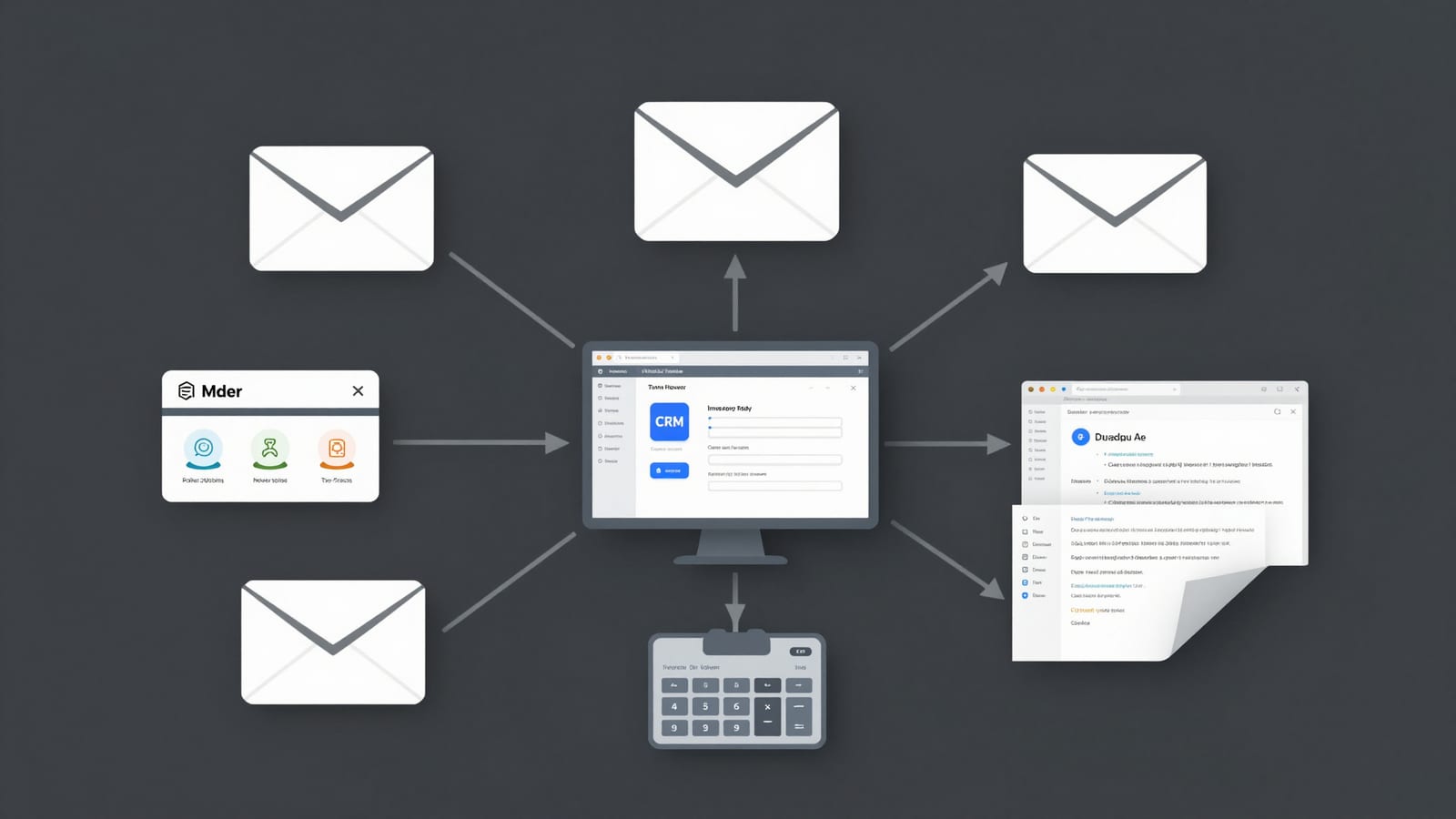
Unlike conversational bots, background agents run asynchronously. They listen for events like incoming supplier invoices, low inventory alerts, or CRM status changes, resolving the underlying issue before a human even notices it.
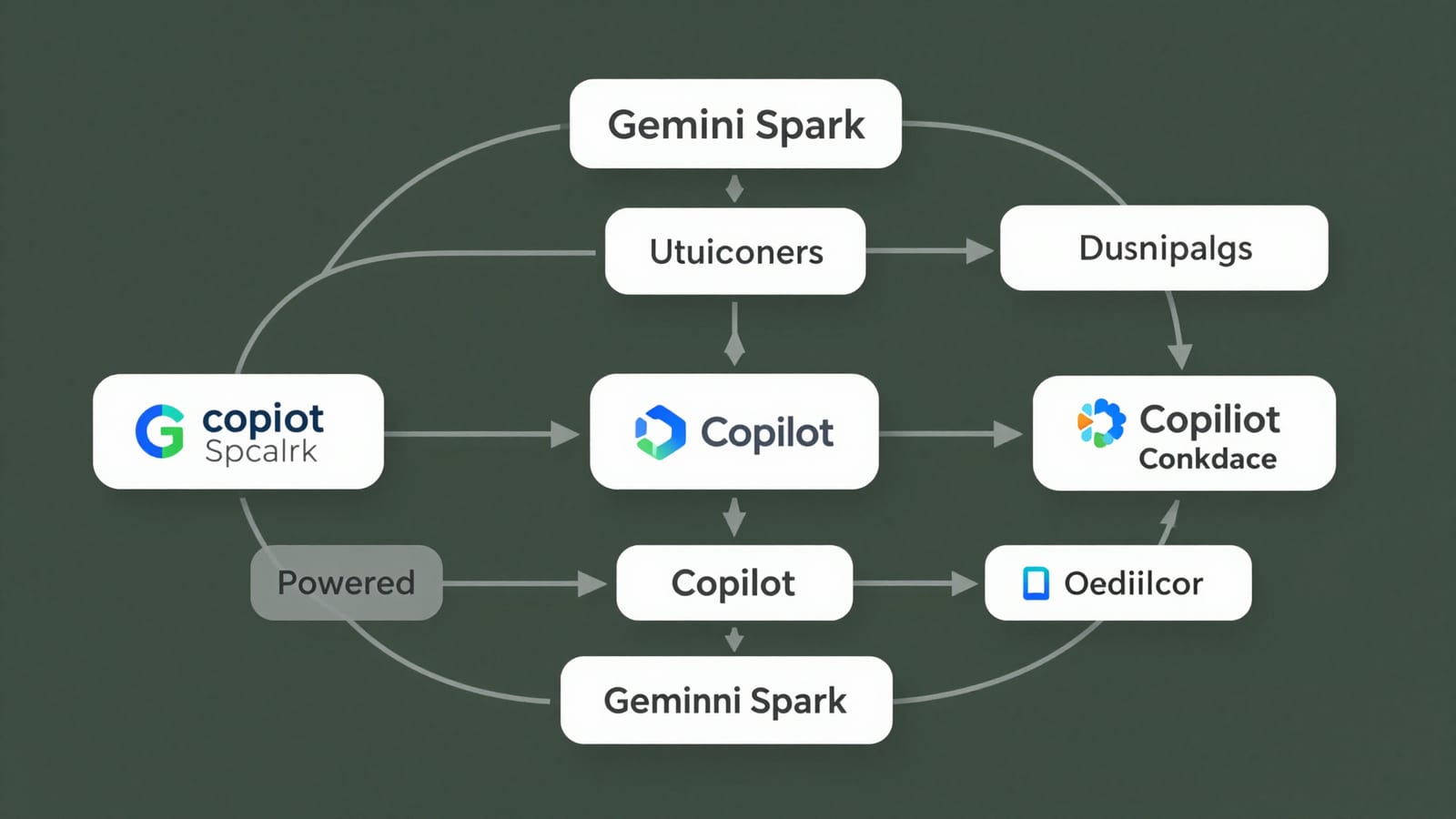
Platforms like GitHub Copilot Workspace for business and Gemini Spark operations have brought this enterprise-grade autonomous capability to ordinary business owners. What used to require a dedicated engineering department can now be deployed through structured prompts, automated pipelines, and low-code orchestrators.
You no longer need to write complex custom software from scratch to automate small business operations. By connecting workspace intelligence directly to your daily operational tools, you can turn passive software into an active operational engine.
Why Is Traditional Ops Hiring Broken for Growing Small Businesses?
When operational bottlenecks appear, the traditional reflex is to hire another administrative assistant or operations coordinator. You need someone to reconcile inventory, paste order details between incompatible apps, and draft fulfillment notices. But adding headcount to solve purely mechanical tasks introduces massive friction.
The hidden cost of hiring isn't just salary. It includes payroll taxes, software seat licenses, onboarding time, and constant management oversight. Most critically, manual data entry inevitably leads to human error during peak sales cycles.
Operational drag directly suppresses profit margins and pulls leadership into daily maintenance mode. When your best people spend twenty hours every week cleaning up mismatched spreadsheets, high-level business strategy grinds to a halt.
Adopting AI ops without hiring allows you to scale transaction volume without inflating fixed overhead. By implementing autonomous business workflows, small teams can handle three to five times their normal volume while keeping payroll completely flat.
| Operational Factor |
Traditional Ops Hiring |
Background AI Agents (2026) |
| Onboarding Timeline |
4 to 8 weeks of intensive training |
Under 2 weeks for custom configuration |
| Operating Hours |
40 hours per week (standard business hours) |
24/7/365 continuous silent monitoring |
| Error Rate on Data Entry |
3% to 7% due to manual fatigue |
Near zero when bound by strict logic rules |
| Scalability Cost |
Linear ($45k–$65k/year per added admin) |
Negligible compute cost scaling per task |
| Management Overhead |
Weekly 1-on-1s, reviews, and time tracking |
Periodic dashboard review and exception handling |
How Can You Deploy Copilot Workspace and Gemini Spark for Lean Ops?
Deploying background agents does not require reinventing your entire technology stack. You simply connect intelligent background engines to the operational choke points already draining your team's energy.
Here are three practical, high-impact ways small companies are using GitHub Copilot Workspace and Gemini Spark operations to clean up daily workflows right now.
1. Automated Data and Invoice Reconciliation
Matching supplier invoices against warehouse purchase orders and accounting software is one of the biggest time sinks in retail, e-commerce, and field services. Discrepancies often sit unnoticed until month-end bookkeeping reveals costly balance errors.
Using Gemini Spark, businesses configure autonomous agents to scan incoming supplier PDF attachments, parse line items, and cross-reference them against internal purchase orders in real time. If line items match within tolerance thresholds, the agent marks the bill as approved in QuickBooks or Xero.
If an unannounced price hike or missing SKU is discovered, the agent automatically flags the discrepancy, drafts an inquiry email to the vendor, and queues it for human review. Your team only steps in when a genuine conflict exists.
2. Silent Customer Operations and CRM Hygiene
Customer service teams spend half their day manually searching internal documentation, checking tracking numbers, and updating CRM deal stages. This administrative busywork delays response times and frustrates paying clients.
Background AI agents monitor your ticketing desk and CRM inbox around the clock. When a client submits a support inquiry, an agent searches shipping manifests, extracts the relevant telemetry, and generates a context-aware draft response in seconds.
Simultaneously, the agent updates client records, tags churn risks based on message sentiment, and syncs interaction logs across your sales pipelines. Your team simply approves high-priority actions while routine inquiries resolve automatically.
Quick Tip: Never let an agent send unreviewed messages to high-value accounts during the first 30 days. Configure the agent to write perfect internal drafts first, letting your account reps click "Send" until reliability hits 99%.
3. System Health Monitoring and Proactive Reporting
Most small business owners manage operations reactively. They only find out an API integration broke, an inventory batch was delayed, or a lead form failed when revenue drops.
With GitHub Copilot Workspace for business, you can deploy lightweight monitoring routines that continuously audit your internal systems, webhook endpoints, and database logs. The agent spots data inconsistencies, generates code patches for broken sync scripts, and creates clear issue briefs for review.
Every Monday morning, a background agent compiles data across your payment gateway, CRM, and fulfillment hub into a crisp 300-word executive brief delivered straight to your Slack or inbox. You start your week with clear insights without asking anyone to build a slide deck.
How Do You Set Up Autonomous Business Workflows Safely?
The biggest mistake companies make when deploying small business AI automation in 2026 is attempting an all-at-once transformation. Granting an untested autonomous agent full write-and-execute permissions across all your primary databases is a recipe for operational headaches.
A structured, phased implementation ensures your digital agents enhance efficiency without creating security or data integrity risks.
Common Pitfall: Avoid giving autonomous agents open-ended authority over financial transactions or bulk customer emails on day one. Always set explicit monetary caps and require human sign-off on irreversible actions.
- Isolate one repetitive, rule-bound process: Start with a high-friction workflow that follows predictable logic, such as sorting inbound leads, tagging support tickets, or syncing inventory records across channels.
- Establish strict human-in-the-loop guardrails: Configure the system so the agent prepares all changes in staging environments or draft modes, requiring a human manager to approve transactions above a specific dollar threshold.
- Implement comprehensive audit logging: Ensure every automated decision, file modification, and API call is logged to a readable timeline so you can trace errors instantly if an edge case fails.
- Test rigorously against historical data: Feed past business records through the agent in a sandbox environment to measure how accurately it handles exceptions, edge cases, and messy data formats.
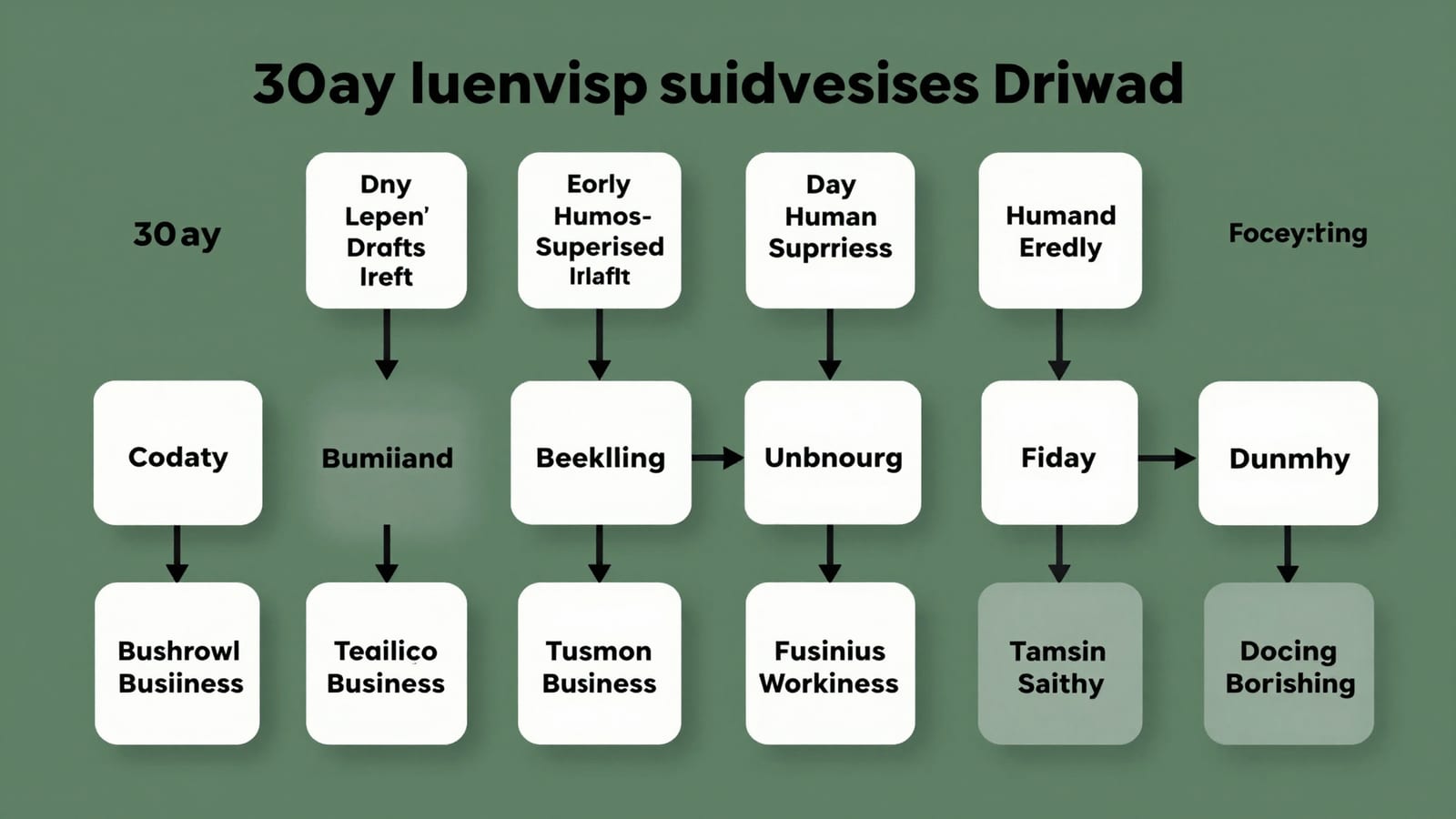
- Expand permissions systematically over 30 days: Once an agent completes hundreds of consecutive tasks with zero critical errors, gradually remove manual confirmation gates on low-risk operational steps.
Key Takeaways: Running a Lean, Automated Business in 2026
- Background agents act as silent digital operators: Modern AI tools move past conversational chat prompts to run continuous, event-triggered tasks behind the scenes of your business.
- Scaling operations no longer requires linear hiring: Implementing autonomous business workflows allows small companies to expand order capacity and revenue without incurring costly administrative payroll.
- Copilot Workspace and Gemini Spark democratize automation: Non-technical business leaders can now orchestrate sophisticated data pipelines and system monitors using accessible, enterprise-grade AI frameworks.
- Safety and trust rely on structured guardrails: Successful deployments begin with isolated, rule-based workflows and human-in-the-loop validation before granting full operational autonomy.
Frequently Asked Questions
What is the difference between an AI chatbot and a background AI agent?
An AI chatbot requires active human prompting to generate text responses in a single chat interface. A background AI agent runs continuously and autonomously in the background, listening for system events, analyzing live files, interacting with software APIs, and executing multi-step business workflows without direct human prompting.
Do I need a software engineer on staff to set up background AI workflows?
No, you do not need an in-house developer to implement basic autonomous workflows. Modern platforms like Gemini Spark and low-code orchestrators allow non-technical business operators to configure automations using plain English instructions and pre-built API connectors. However, complex enterprise-wide integrations benefit from specialized implementation partners.
Are background AI agents secure enough to handle sensitive company data?
Yes, provided you deploy them within secure enterprise environments and follow the principle of least privilege. In 2026, leading platforms offer dedicated business data privacy, meaning your proprietary operational data is never used to train public models. Always enforce human approval steps for sensitive actions like financial disbursements and client database deletions.
Turn Ops Chaos into Autopilot with CodeRift
At CodeRift, we have audited and modernized operations for dozens of growing businesses, replacing messy manual spreadsheets with clean, autonomous architecture. We have seen firsthand that off-the-shelf software subscriptions often end up creating more disconnected silos rather than solving your core operational gridlock.
Every business has unique operational quirks, legacy files, and custom customer flows. A generic automation template cannot properly handle the nuances of your fulfillment process or client management strategy. Custom-configured background AI agents give you the exact operational leverage your business needs without forcing you into rigid, third-party software constraints.
Our team builds, tests, and deploys production-ready background agents designed specifically around your existing tech stack in under two weeks. Explore our custom development services, check out our transparent pricing models, or read our latest technical breakdowns on the CodeRift blog.
Stop drowning your team in repetitive administrative work. Book a free operational AI audit call with CodeRift today, and let us show you exactly how to automate your daily operations without adding a single new hire.